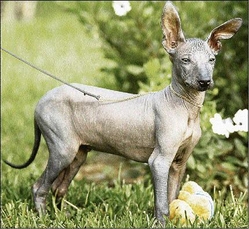
When a dog is so hot that it is panting severely, only let it have a few laps of water.
The following article was contributed by the Jamaica Kennel Club Limited (JKC). Founded in 1960, the JKC's goal is "promoting in every way the general improvement of dogs" through education, responsible dog ownership, an accredited breeder programme, as well as dog shows and obedience trials, registry for pure-bred and cross-bred dogs and training classes.
In the summertime, other than fever, the most frequent cause of hyperthermia is heat prostration or heat stroke. Most of these cases can be avoided. People forget that dogs have fur and don't sweat, except through their tongues and feet. Also, it does not have to be hot (over 80F) for the dog to overheat. All it takes is a temperature over 70F and intense exercise. Humidity (even on cloudy days) or any sunny day also increases the odds.
Signs
The most common sign of heat prostration or heatstroke is vigorous panting. The pet is likely to be lying on its side, unable to stand, although some are restless and agitated. There may be thick, ropy saliva in the mouth, or froth coming from the mouth and/or nose. Often, the pet seems to be rigid, extending its head, neck and limbs. The mucous membranes are often red but may be pale or 'muddy'. The pet may show signs of shock.
Learn to watch your dog and see the changes in the size of the tongue. An extended tongue showing signs of curling at the tip is an early indication of overheating.
Cooling
Rapidly cooling the pet is extremely important. While ice or cold water may seem logical, its use is not advised. The best way is to run tap water over the dog, so there is always fresh water in contact rather than immersing the dog into a tub. For most situations, all you will need to do is get the dog into a cooler environment, that is, a shady area, an air-conditioned room or under a cooling fan.
Alcohol
The use of rubbing alcohol on the stomach is recommended (which is propylene alcohol, not ethyl, for those of you not aware).
Watching temperatures
If you feel your dog is in danger of heat injury, check its temperature and write it down. Keep checking the temperature every three minutes. Don't forget to shake it down completely each time. It sounds silly, but when you are worried about your companion, things tend to get mixed up.
This is very important: Once the temperature starts to drop, stop all cooling efforts. The cooling process will continue even though you have stopped. If the temperature starts at 106.5 and then drops to 105.8, stop cooling the dog, dry it off and continue monitoring. You will be amazed at how the temperature continues to go down. If you do not stop until the temperature is 102, it will drop even further to 99 or even lower. I cannot emphasise that point enough.
Limit water
When the dog is so heated that it is panting severely, only let it have a few laps of water. Never give it ice or ice water - this can cause violent muscle spasms in your dog's stomach, which can also cause bloating. Water in the stomach does not cool the dog, you just need to keep the mouth wet so the panting is more effective.
Do not worry about hydration until the temperature has started to decrease. A dog that is panting heavily and taking in large amounts of water is at risk of bloating. Due to the heavy panting, the dog will swallow air mixed in a large amount of water, and can become bloated as a result.
Once the temperature is going down and panting has slowed to a more normal rate, allow the dog to drink water. The dog will rehydrate itself after its temperature is normal.
For more information, contact the Jamaica Kennel Club Ltd, Shop #3, 10 Shortwood Road, Kingston 8. Tel: 969-2482. Website: www.kennelclub.com.jm.
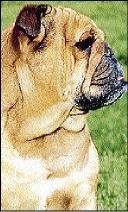
The most common sign of heat prostration or heat stroke is vigorous panting. - FILE photos