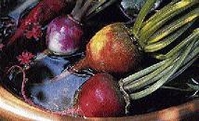
You should not be surprised that when you eat beet, a blood-red vegetable, your urine may turn red. This is a harmless condition known as beeturia and is no reason for you to stop eating your beets!
The beet, Beta vulgaris, emerged somewhere in the Mediterranean. The green, leafy root now grows wild on beaches from Europe to India to Australia. Considered as old-fashioned, beets have been underrated and the merits as a super-food have been downplayed.
In the early days, Swiss chard, known as leaf beet was popular followed by mangold, a foot-long beet grown for livestock feed. Later, it was the white sugar beet which produced 40 per cent of the world's refined sugar.
Thanks to the Romans who developed the beetroot including its red variety for food. In earlier times, people ate the green tops and left the roots for medicinal purposes. Beetroot is a very nutritious vegetable which is under-utilised in the diet. Some children find it repulsive and adults may not have outgrown their childhood dislike for beets. Others cannot be bothered by its preparation and will purchase them processed in a can or jar.
Global use
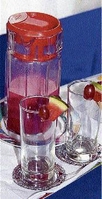
Irie Beet Pumpkin Juice on display at a culinary arts nutritious food competition.
However, fresh beets are more flavourful and versatile, utilised in different ways in countries around the world.
In India, beets are simmered in spices like turmeric and black mustard seed.
In Germany, beets are used to make red sauerkraut, combining it with bacon and green cabbage.
The Lebanese enjoy their steamed beets slathered with a thick, garlicky yoghurt sauce sprinkled with mint.
In Eastern Europe, where the beet is highly respected, beet dishes abound in entrees and sides
In Poland, a horseradish-beet condiment is popular.
Originating in the Ukraine, beet soup is eaten across the region, from Ukrainian borscht to a clear, brilliant Polish version with mushroom dumplings.
In Amish country, pickled beet is a staple and delis sell 'red-beet eggs' as a snack.
Cancer-fighting agent
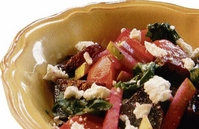
A simple roasted beet salad may complete a meal.
Red beets are fascinating and part of the pleasure lies in cooking it. The reddish-purple comes from betacyanin, a powerful cancer-fighting agent and the same substance that tints bougainvillaea and, in times past, used to make rouges to light up the cheeks of Russian women. The earthy taste of beets is distinctive, resulting from a compound called geosmin, produced by micro-organisms in soil. For reasons unknown, beet absorbs more geosmin than any other root vegetable.
Other varieties of beets include the Italian chioggia which is bright red on the outside with whitish flesh on the inside marked by red rings. Golden beets are more orange than gold and tend to be sweeter than red beets.
Selection and storage
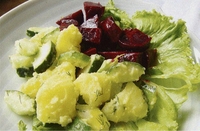
Beet can be added to any meal to provide added nutrition. - Photo by Rosemary Parkinson
In selecting beets, they should be relatively smooth, firm and free from bruises and soft spots. Small to medium sizes are better and leaves should be bright, dark green with wilting or slime. Unwashed beets should be stored in the refrigerator crisper where they will last two to four weeks.
Highly nutritious
The nutrition of beets should not be under-estimated. Beet greens are often discarded but are highly nutritious and loaded with phyto-chemicals. Beet greens are more nutritious than beets themselves. They have twice the amount of potassium and high amounts of beta carotene, lutein, and folic acid, which wards off certain birth defects and lung cancer. The smaller beet greens are mixed into salads and the larger ones may be stewed, braised or boiled like other hearty greens with robust seasonings like garlic and chillies.
One medium beet of about three ounces will supply 0.5 grams of fat, 11 grams carbohydrates, two grams dietary fibre, 1 gram protein and 50 calories. Beets are rich in potassium and manganese for better blood pressure as well as vitamin C for boosting the immune system, and a fair source of vitamin A, iron, copper, phosphorus and fair amounts of dietary fibre which lowers cholesterol and prevents constipation.
Cooking beets
Raw beets are known for their crunchy texture which becomes soft and buttery when cooked. Research has shown that cooking reduces the anti-cancer potential of beets. Beets are not as hardy as they look. The smallest bruise or puncture can cause red beets to bleed, especially during cooking.
Beets should not be peeled until after cooking. To prevent bleeding when boiling beets, leave them whole with their root ends and one inch of stem attached. To prevent beet stain to the skin, it may be advisable to wear kitchen gloves while handling beets. Beet stains can be removed by rubbing some lime juice.
Spices
Beets can be sliced or grated to be sprinkled on salads. Beets can be cooked in a variety of ways, with a variety of seasonings to enhance the flavour of the beets. Spices commonly used include allspice, garlic, bay leaves, chives, dill, mustard seed, cloves, thyme or citrus. It is amazing how the hardy, rough-looking beet can be transformed to a wonderful and tasty treat.
Steamed beets marinated in fresh lemon juice, olive oil and fresh herbs add a difference to any culinary fare.
Roasting
Roasting beets are an excellent way to allow beet's natural sugar - as high as 80 per cent - to come through without being masked. Beets mixed with a touch of garlic, which accentuate the sweetness, are an excellent accompaniment to roasted meats, especially pork and duck.
Health benefits
Frequent consumption of beets led to longevity among the Russians. Beets contain powerful nutrient compounds including betacyanin to protect against cancers, heart disease, birth defects and colon cancer. Beets are not to be taken lightly and their bright red colour reminds you of just that.
Pickled Beets and Hard-cooked eggs
6 medium beets
1 medium white onion, sliced
1 tbsp. black peppercorns
1/4 tsp. whole cloves
2 tbsp. horseradish
3 cups cider vinegar
4 cups water
5 tbsp. sugar
Hard-boiled eggs
Method:
1. Trim all but 2 inches of stalks of beets.
2. Drain, pull off stalks, slip off skins, slice beets and place in a large glass jar.
3. Add onion, peppercorns, cloves, horseradish.
4. In a small pot, bring cider vinegar, water and sugar to a boil and pour into jar.
5. Set aside to cool, cover and refrigerate until chilled.
6. Add peeled hard-cooked eggs to jar at least 4 hours and up to 5 days before serving.
Serves four persons
Beetroot, Apple and Carrot Juice
A great isotonic drink for pre, during or post exercise. A great drink for athletes because of the high vitamin C, folic acid and iron content
2 small beetroot
1 carrot
2 apples
1/2 cup (300ml) water
Method:
Scrub the beetroot and the carrot.
Wash the apples.
Cut the ingredients in even-sized pieces place in blender with the water.
Blend well.
Add a few ice cubes and blend.
Pour into glasses.
Serves two persons.
Source: Hunking and Hunter: Power Juices
Heather Little-White, PhD, is a nutrition and lifestyle consultant in the Corporate Area. Send comments to editor@gleanerjm.com or fax 922-6223.