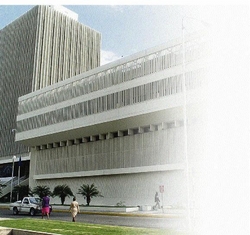
Derick Latibeaudiere, Bank of Jamaica governor, raised interest rates five times in 2008, adding more than 4.0 percentage points to the 3-month tenors and 10.5 points on the one-year. - File
At first blush, the 133 basis point cut on a single open market instrument of six in the central bank's arsenal seems a token concession to corporate Jamaica which wants interest rates to be cut.
But yesterday analysts polled by the Financial Gleaner suggested it could send an important psychological message that the Bank of Jamaica was willing to follow signals from the market.
"The adjustment is in line with market forces and based on treasury bill auction with the rates declining over the last two to three issues, especially the last issue would suggests the need for lower rates," said John Jackson, financial analyst.
It could be, said another analyst, the first volley in a series of adjustments to come.
The BoJ yesterday cut the rate payable on its 365-day certificate of deposit to 22.67 per cent, down from 24 per cent when it was last hiked in December.
The December adjustment was the fifth rate increase within 2008, which served to push borrowing costs up forboth consumers, home buyers and businesses.
The other tenors remain priced within a range from 17 per cent on the three-month to 21.5 per cent for the six-month instrument.
The BoJ said the 24 per cent price set last December on the one-year tenor included a premium that was meant to be a hook to investors to participate in longer term placements.
The central bank, at the time, was anxious to pull liquidity from the system, employing a double barrel strategy that included hiking the cash reserve ratio by two points, in order to salvage the Jamaican currency and stem its downward spiral.
The JMD now trades at just under $89 to the USD.
The new rate adjustment brings the yield on the instrument back in line with the rate earned on the 180-day placement.
The six-month March treasury bill came in at 21.77 per cent, signalling a push by the market to bring interest rates lower.
Interest rates
The six-month treasury is used as the benchmark for interest rates.
Yields on the January and February bills were at 24.26 per cent and 23.13 per cent, respectively.
The central bank noted the falling treasury bill yields and the fact that they were still performing above the rates on the comparable BoJ instruments.
The rate on the six month treasury, for example, remains 27 basis points higher.
"Generally, we expected rates to fall because the hike in rates did not correct the depreciation in the currency," said Cranston Craig, senior research analyst at Guardian Asset Management.
"The expectation is for rates to continue falling in 2009 predicated on the fact that 60 per cent of the government debt is linked to the variable rates and thus not in interest to push it up."
The market, he added, "expects other tenors to follow suit."
The dollar has held fairly steady in the past few weeks, keeping pressure off interest rates.
Foreign exchange window
Some of that might have been due to the special foreign exchange window that the BoJ opened for public sector companies like Petrojam that demand large volumes of cash to pay overseas bills - easing the demand on the market.
If the dollar continues to hold steady and interest rates continue to trend downwards, the latter's reduction "will help the cost of money ... but one will have to see how the Budget is to be financed to make some determination on the way forward," said Jackson.
sabrina.gordon@gleanerjm.com