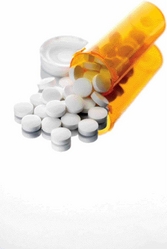
Aspirin is the chemical name for acetylsalicylic acid (ASA). This well-known drug for over a century had been a popular treatment for arthritis pain, headaches and fever. "Take two aspirin and call me in the morning" was for a long time considered a standard medical recommendation for a variety of ills. Many people consider aspirin as the best-known drug in history.
Today, many doctors recommend that the drug be taken on a daily basis for the prevention of heart attacks, still the commonest killer in Jamaica.
ASPIRIN FOR HEART ATTACKS
The use of aspirin to prevent heart attacks is based on its ability to inhibit the formation of blood clots or thrombosis in the body. The common saying, "aspirin thins the blood", is not strictly true: aspirin prevents clot formation by preventing blood elements called platelets from sticking together, a process that initiate clot formation.
The widespread use of aspirin for the prevention of heart attacks is based on the results of several well publicised medical studies. However, a number of experts have questioned the conclusions drawn from those studies. In fact, recent guidelines from the US Preventive Services Task Force recommend caution in the widespread use of aspirin as a prophylaxis against cardiovascular disease.
ASPIRIN FACTS
Although prophylactic aspirin may reduce the chance of a high-risk individual getting a heart attack for the first time, there is no evidence that it will reduce the risk of a heart attack in low risk individuals or those without circulatory problems. In fact, the risks outweigh the benefits in the latter group.
After a first heart attack, studies show that aspirin is useful for a period of time in preventing a second attack. The first aspirin tablet should be taken as soon as possible after a heart attack. Then, in consultation with your doctor, switch to low-dosage enteric-coated aspirin tablets (baby aspirin).
BUT most of these studies used buffered aspirin to reduce the side effects of aspirin. Buffered aspirin contains a significant amount of magnesium, a natural substance that contains its own powerful protective properties.
BUT aspirin has serious side effects: gastritis, peptic ulcer, intestinal bleeding, haemorrhage shock and sudden death. Aspirin can also affect your eyes, increasing the risk of macular degeneration, a leading cause of blindness.
SAFER ALTERNATIVES
It is now well recognised that the tendency to form blood clots is often a result of inflammation. Perhaps aspirin's benefits in cardiovascular disorders may not just relate to its direct effect on blood clotting but also from its well-known anti-inflammatory action. If that is so, then there may be many better ways to protect oneself for heart attacks and strokes.
The most important protection against heart attacks is a healthy lifestyle: Excellent cellular nutrition, weight control, exercise, avoidance of cigarette smoke, stress management and adequate rest.
There are also a number of useful supplements that offer similar benefits without the risks associated with aspirin:
OMEGA 3 FATTY ACIDS
These are potent anti-inflammatory agents that also contribute to cardiovascular health in many ways. In dosages of three or more grams daily, they also improve blood flow and discourage blood clot formation.
ANTI-OXIDANTS
Vitamin E at dosages as low as 100 to 250 IU daily have demonstrated impressive results in preventing a first heart attack, with minimal side effects. Vitamin E at a higher dosage of 400 IU or more daily is also effective in protecting heart-attack sufferers from a repeat attack.
MAGNESIUM
Most heart attack victims at post mortem examination are found to be magnesium deficient. Although adequate studies on magnesium supplements for the primary prevention of heart attacks are not available, the experience of a number of clinicians and studies on the magnesium content of drinking water and heart disease make a good case for taking magnesium supplements. I recommend magnesium aspartate capsules, 200 to 400 mg daily.
HERBS
Among their many benefits, both garlic and ginkgo biloba have demonstrated blood thinning properties and can be used in conjunction with the lifestyle and supplements recommended above.
Although this may seem a complex issue, I hope readers recognise that they are safe alternatives to aspirin that they can choose to protect and maintain a healthy heart. I strongly recommend that you discuss the pro and cons of taking aspirin with your doctor.
You may email Dr, Vendryes at vendryes@mac.com, or listen to An Ounce of Prevention on POWER 106FM on Fridays at 8 p.m. The program streams live on the Internet.