Best-kept secrets about yoghurt's milky mush
Yoghurt is a food you love or hate. There are no fence sitters. Those who have acquired the taste find yoghurt hard to resist. If you are enterprising, you can make your own yoghurt at home.
Yoghurt is a fermented milk product which was taken to Turkey by the Mongols over a millennium ago. It is thought that yoghurt was first found as early as 2000 BC in Mideastern civilisations as a way to preserve milk.
A type of yoghurt is thought to have originated by nomadic tribes of Eastern Europe and western Asia. The word yoghurt is Turkish in origin. The ancient Assyrian word for yoghurt, 'lebeny', meant life.
It is interesting to note that the modern word 'probiotic' can literally be translated to 'For Life'. There has been a long-standing belief that eating yoghurt or the consumption of some type of cultured milk product is associated with longevity because of the friendly bacteria's ability to fight disease. (Midvalleyvu.com)
Convalescents
In the Balkans, sheep's milk is considered the best milk to make yoghurt but since sheep's milk is hard to digest, yoghurt made from cow's milk is fed to invalids and convalescents. Yoghurt is considered such a vital factor to good health that in Turkey, it is served to patients in hospitals as a natural course. In Turkey, yoghurt is never eaten with sugar unless it is part of a dessert.
The Balkans, the place of the origin of yoghurt, influenced the name of the harmless microbe, Bacillus bulgaricus, used to make yoghurt. Yoghurt is produced by adding a 'starter' of active yoghurt containing a mixed culture of Lactobacillus bulgaricus (or occasionally L. acidophilus) and Streptococcus thermophilus. These produce lactic acid during fermentation of lactose.
The lactic acid lowers the pH, makes yoghurt tart, causes the milk protein to thicken and acts as a preservative since pathogenic bacteria cannot grow in acid conditions. In addition, these bacteria will help settle gastrointestinal uneasiness, including that which follows oral antibiotic therapy by replenishing non-pathogenic flora of the gastrointestinal tract.
Pregnant women
In Turkey, pregnant women are advised to eat yoghurt instead of drinking fresh milk. In eastern Turkey where the people are known for their strength and longevity, yoghurt is consumed heavily and is eaten with crushed garlic to prevent tuberculosis. Istanbul, a highly cosmopolitan city, consumes more yoghurt than any other place in the world.
Turkish housewives easily produce yoghurt at home three times cheaper than the commercial product. Thick, sweet and fresh yoghurt can be made at home with little effort. Yoghurt is a natural product, therefore, it needs very little equipment for its manufacture.
Breeding of fresh yoghurt requires fresh bacillus, which is more sweet than sour. You will need a small amount of yoghurt to start up your home production. From this portion, you should reserve half a teaspoon of yoghurt which will be your fermenting agent or bacillus.
... once you get the hang of it
Healthbenefits
Yoghurt contributes to good health and is even touted for its magical ability by healing dogs fed with poison. For humans, the health benefits of eating yoghurt include:
Fighting and destroying harmful germs which breed in the intestines to cause disease.
Regulating elimination of faeces.
Purification of the blood.
Clearing up skin diseases in a short time.
Providing regular relief for intestinal troubles.
Reducing fevers.
Inducing sleep and calming the nerves.
Helping in building strong bones.
Reducing the occurrence of yeast infections.
Preventing diarrhoea while taking antibiotics.
Soothing sunburn pain.

- MCT
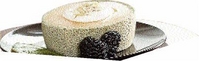
The sweet/tart taste of a yogurt parfait makes a healthy dessert.
HOME-MADE YOGHURT
1/2 gallon milk
1/2 cup plain yoghurt (use a fresh culture for starter)
Equipment:
Double boiler (or heavy pot) with lid, capacity 21/2 qt
2qt bottles with lids, sterilised in boiling water
An 8oz jar with lid, very clean and sterile.
Candy thermometer, reading range 40-90°C (100-200°F)
1 Styrofoam cooler
Method:
1. Heat milk to 85-90°C in double boiler (185-195°F).
2. Remove from fire, place covered pot in pan of clean cool water until stirred milk is very close to 55°C (130°F).
3. Stir up yoghurt starter with a clean fork, add to 55°C milk, stir thoroughly, (temperature should drop to 50°C (122°F) or just below). Pour still warm mixture into the three bottles, plus the smaller 8oz jar. Cover immediately with the sterile lids.
4. Place filled bottles in cooler, add enough 50°C (122°F) water so that bottles are surrounded, but the water is well below the lid rims. The starter jar will have to be placed on a support to keep its lid above the water.
5. Do not disturb the yoghurt and it will be finished in 3 hours, provided the temperature does not drop below 40°C (104°F).
6. Refrigerate until needed.
For a firmer yoghurt, add 2 tablespoons powdered milk to the 1/2 gallon of milk before heating. Either whole or skimmed milk may be used, but whole milk makes richer yoghurt.
SALMON-YOGHURT CAKES
18oz tin salmon
1tbsp mayonnaise
1tbsp yoghurt
1tbsp lime juice
1 1/2 cups breadcrumbs
1
1/3 cup onion, finely chopped
1 egg, beaten
1 sprig thyme, finely chopped
Salt and pepper to taste
Method:
1. Flake salmon into mixing bowl along with its juice and bones.
2. Add mayonnaise, yoghurt, lime juice, 1 cup breadcrumbs, mustard and chives. Mix with fork until well blended.
3. Add beaten egg, thyme, salt and pepper.
4. Shape salmon mixture into 4 patties. Mixture will be very soft.
5. Coat patties in remaining breadcrumbs and cook in butter over medium heat about 5 minutes on each side or until nicely browned. Serves 4.
Besides use in entrées, yoghurt is popular for a delicious breakfast smoothie, as a quick afternoon snack or a light dessert. The options for using yoghurt in cooking are endless. With its slightly tart flavour and creamy texture, yoghurt can become a healthy addition to many of your favourite meals.
Heather Little-White, PhD, is a nutrition and lifestyle consultant in the Corporate Area. Send comments to editor@gleanerjm.com or fax 922-6223.
Cookingtips
Yoghurt has several uses in meal preparation. Stonyfield Farms for a Healthy Planet suggests the following:
Substituting plain yoghurt for sour cream on a baked potato, or in stews, on rice dishes, bowls of soup, chilli and as a liquid in soda-raised breads, waffles and pancakes.
To reduce the calories in dips and dressings, yoghurt can be substituted for mayonnaise or sour cream in equal amounts. For example, substituting low-fat yoghurt for sour cream in baked goods saves 46 grams of fat per cup.
Yoghurt can be used in place of heavy cream to thicken a variety of sauces. To keep it from curdling, be sure to add some starch to the yoghurt before adding to your sauce. The suggested ratio is 1 tablespoon of flour to 1 cup of yoghurt.
Yoghurt helps to tenderise meats, and makes an excellent marinade due to its high acidity.
Yoghurt is recommended for use in baked goods, as it helps to keep the food moist while improving its texture.
Heating yoghurt to high temperatures destroys the beneficial bacteria that it contains. To preserve the bacteria, never add yoghurt to a boiling or extremely hot mixture. Instead, stir a few tablespoons of the hot food into the yoghurt, warming it gradually. Then stir the warmed yoghurt back into the hot mixture.
Mixing yoghurt in a blender can cause it to break down and become liquefied. Instead, be sure to gently fold in yoghurt when incorporating into most recipes.
Avoid using aluminium products when preparing any recipes using yoghurt. The acid in the yoghurt will react negatively with the aluminium.
For entrées, yoghurt lends itself to ease of preparation and combines well with all-time favourites like salmon and tuna.