DIETITIAN'S DESK
After your regular blood workup, a high cholesterol reading would not be welcome news. Cholesterol is a fatty-type substance produced by the human body to carry out numerous important functions. Blood levels of cholesterol can be related to factors such as overweight and obesity and diet.
There are different types of cholesterol, such as low-density lipoprotein (LDL), which has more fat than protein and high-density lipoprotein (HDL), which has less fat and more protein. These two types have potential advantages and disadvantages. The LDLs can help to create damage to blood vessels by contributing to an inflammatory process called arteriosclerosis. This causes hardening and narrowing of the arteries and can lead to blockage and other life-threatening conditions. The HDLs, on the other hand, can help to remove remnants of LDLs from blood vessels.
Lowering LDLs in the kitchen
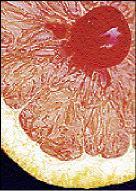
Soluble fibre intake: This is fibre that is soluble in water and has been shown to help with the lowering of LDL cholesterol. Bacteria ferment the fibre in the intestines, forming short-chain fatty acids which suppress the making of cholesterol by the liver and therefore reduce blood cholesterol levels. Good sources of soluble fibre are grains, such as oats, rice and barley, legumes such as peas, lentils and red beans, fruits, such as apples, grapefruit and bananas and vegetables. Fresh herbs, such as onions, are also good sources of soluble fibre.
Insoluble fibre is not soluble in water and is often unchanged in the intestines. It can, however, attract water and create bulk and a sense of fullness in the stomach and can result in the intake of fewer calories. It can also reduce the risk of constipation.
Lower saturated fat: Saturated fat is found mostly in animal foods and limited amounts are present in some plant foods. Consume limited amounts. Consume a higher ratio of monounsaturated fats, found in foods such as avocado, olive oil, pumpkin seeds and almonds and polyunsaturated fats, such as in sunflower, soy and flax.
Lower trans fat: Trans fat is found to be even worse than saturated fat, as it raises LDL and lowers HDL cholesterol. Trans fat is found in foods which contain partially hydrogenated fats, such as many commercially baked items.
Lower calories to prevent weight gain. This is a good way to control cholesterol levels, as most cholesterol is made in the body and does not come from consuming cholesterol-rich foods. High fat intake, especially saturated and trans fat, significantly increases calories and blood levels of LDL. Avoid high-fat cuts of meat and organ meats.
Take-home message
The take-home message is to increase your plant-based diet, eat more proteins from legumes and nuts, increase fruits and vegetables, use less total fats, and choose from the monounsaturated and polyunsaturated group of fats. Increased physical activity has also been shown to increase HDL.
Rosalee M. Brown is a registered dietitian/nutritionist who operates Integrated Nutrition and Health Services. Email: yourhealth@gleanerjm.com.