When you think of Italian cuisine, pasta immediately comes to mind. Pasta comes in many forms and shapes and is used to create tasty dishes. Pasta, an invaluable kitchen cupboard item, is an easily acquired taste and is versatile in combinations with fish, meat, poultry and vegetables.
Pasta is made from water and wheat flour, with or without eggs, and moulded into different shapes and then air-dried. The history of pasta dates back to 400 BC to the Etruscans who used to make lasagne with spelt, cereal-like flour. Toolmakers forged dyes to make specialty pasta shapes several years ago and these shapes are still around today. Where you are will determine the type of pasta you are using. If you lived in Rome, you could be using round, tubular shapes like penne and southern Italians prefer longer, spaghetti-like noodles such as linguini or angel-hair pasta.
COOKING PASTA TO PERFECTION
Cooking pasta to perfection ensures the success of the dish. For main course, dishes allow four ounces dried pasta or five ounces fresh pasta per person.
For even cooking, it is advisable to use a large saucepan to give the pasta plenty room to move. Use eight pints of lightly salted water for servings for four people. It is best to use one and a half tablespoons of sea salt as this dissolves much faster than table salt.
There is no need to add oil to the water to prevent it from sticking. To prevent pasta from sticking, stir during the first two minutes of cooking to prevent the pasta surface from being coated with the sticky, glue-like starch. Besides, cooking with oil will cause your sauce to slide off and not be absorbed, resulting in a flavourless pasta.
Make sure the water is at a rolling boil before adding pasta. Where applicable, twist or fold the pasta in the water and stir it immediately. Cooking should be timed from the moment the water returns to boil. Follow the cooking instructions on the package.
Test the cooked pasta by tasting it to make sure that it is al dente - firm to the bite. Pasta made from 100 per cent wheat ensures the all-important texture test for cooking, al dente. Al dente means 'to the tooth' and plain pasta gives a firmer bite compared to egg pasta with a slightly softer, silkier texture.
There is no need to rinse the pasta after cooking because the cooling effect prevents absorption of the sauce. Rinsing also washes away remaining surface starch, which is valuable to slightly thickening your sauces.
GETTING YOUR SAUCE RIGHT
Behind every great pasta is a great sauce. Sauces add that special flavour to pasta dishes and are easily prepared.
The range of pasta shapes today adds variety and makes appetising dishes. The secret of pasta dishes rests with matching the sauce to the right pasta shape.
As a rule of thumb, long, thin or flat pasta is best with smooth, runny or finely minced sauces. This type of sauce will ably coat the pasta. It is important that the pasta is just moistened with the sauce and not drowned with it.
Chunky-shaped pasta is best suited to thick, robust sauces of meat, vegetable or seafood. The chunky shapes allow the sauces to cling to the folds and twists.
Penne, rigatoni and farfalle are best able to trap finely chopped vegetable sauces like tomato or avocado to coat the pasta, ensuring that each pasta has flavour.
Ribbon pasta, which includes fettuccine, tagliatelle and pappardelle, are best served with butter or creamy sauces.
Olive oil-based recipes, meat and tomato sauces are ideal for spaghetti or linguine. The guide for the choice of ingredients for the sauce depends on whether they cling to the pasta when twirled around a fork.
Chunky sauces - fish and vegetable - are best used with pasta shells where the sauce clings to the pasta.
Not all sauces for pasta have to be cooked. Fresh pesto, for example, is a basil-scented sauce made traditionally by using a mortar and pestle. Today's technology allows this pesto to be made using the food processor. When the pesto is made, it is added straight to hot, drained pasta where the heat of the pasta will pass through to warm up the pesto.
Butter Parmesan and sage sauce
Drain your cooked pasta.
To a pan, add 3oz butter, four shredded sage leaves, and 1/4 teaspoon nutmeg, and allow the butter to melt.
Return the pasta to the pan and toss with 2oz grated Parmesan cheese.
Heather Little-White, PhD, is a nutrition and lifestyle consultant in the Corporate Area. Email comments to editor@gleanerjm.com or fax 922-6223.
Maximising your pasta experience
Do not throw away leftovers as they are enjoyable eaten cold. Spice up marinated olives or cherry tomatoes and serve on salad greens.
Double servings of sauce can be made and one half frozen for later use. The remaining half should be put in clean, freezer containers and frozen for up to two months. When ready to use, thaw in the bottom of refrigerator overnight and reheat gently in a pan until piping hot.
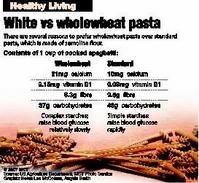
For healthier pasta dishes, use low-fat alternatives such as low-fat milk and cheeses. Also, prepare dishes flavoured with vegetables and herbs rather than meats or cream sauces. Butter in sauces can be replaced by olive oil.
Lasagne can be frozen for up to four weeks. After baking, leave the lasagne to cool completely before freezing. To use, thaw in fridge for four to six hours in the refrigerator and reheat in the oven.
For special occasions, combine pasta with salmon, duck or seafood.