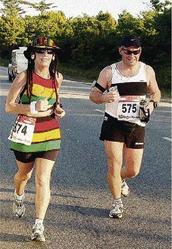
Two participants at the Reggae Marathon event in Negril last year. - File
Those of us who live in the tropics should already have a keen understanding of the importance of drinking adequate amounts of fluid to avoid dehydration especially on hot days. For endurance athletes such as those who will be participating in the Reggae Marathon, Half Marathon and 10K event in Negril on Saturday, December 6, this is of particular importance.
Signs of dehydration include: thirst, fatigue, a decline in performance, muscle cramps, headache, dizziness, and the production of concentrated (very yellow) urine in small quantities. In more severe cases, persons may experience nausea, chills and dehydration, which might progress to heatstroke, causing loss of consciousness.
High performance
For high-performance athletes, drinking water alone when thirsty is not enough because it does not provide energy in the form of carbohydrates needed for refuelling. Nor does it contain flavour and electrolytes necessary to encourage drinking and replace lost sodium and potassium. Athletes benefit greatly from consuming a properly formulated sports drink.
Expert advice
Health experts advise that marathoners avoid the following during exercise/competition:
Fruit juices, sodas (because of carbonation) and sports drinks with carbohydrate levels greater than eight per cent.
Beverages containing caffeine and alcohol, which can cause dehydration by stimulating excess urine production or decreasing voluntary fluid intake.
The organisers of Reggae Marathon say they are proud that Gatorade, sponsor of the main rehydration fluid served at the event, has been on board since inception in 2001. Another sponsor, Catherine's Peak, is the provider of bottled water.
Preparing
In an article posted at: reggaemarathon.com, endurance athletes are further encouraged to "know what your needs are prior to race day. Rehearse your hydration, feeding, and salt strategy during your training sessions.
"There are so many variations between individuals that there is no single right answer. Know what your body's needs are," the article stated.
For training and during the race, participants are urged to:
Drink frequently to stay hydrated.
During a long, hot race, aim for a total sodium intake of approximately one gram per hour.
During training, and for several days leading up to a big race, make sure that you increase salt intake by 10-25 grams per day.
Sodium is also important for recovery. There are a variety of salty snacks that will provide the necessary requirement.
Avoid aspirin, ibuprofen, or other anti-inflammatories, and acetaminophen during exercise, but especially during a race. Aspirin, ibuprofen, and other non-steroid anti-inflammatory agents interfere with kidney function and may contribute to the development of hyponatremia - a low concentration of sodium in the blood.
All participants are reminded to check with their physicians before competing, especially if they have health problems.
Source: reggae.marathon.com